Published : 2025-09-18
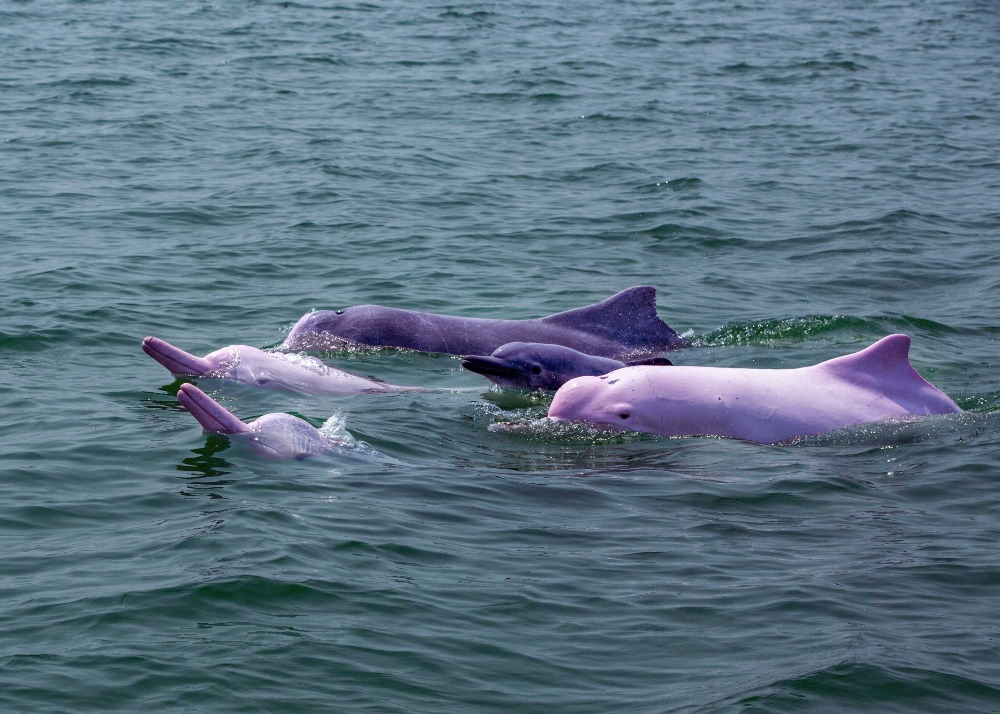
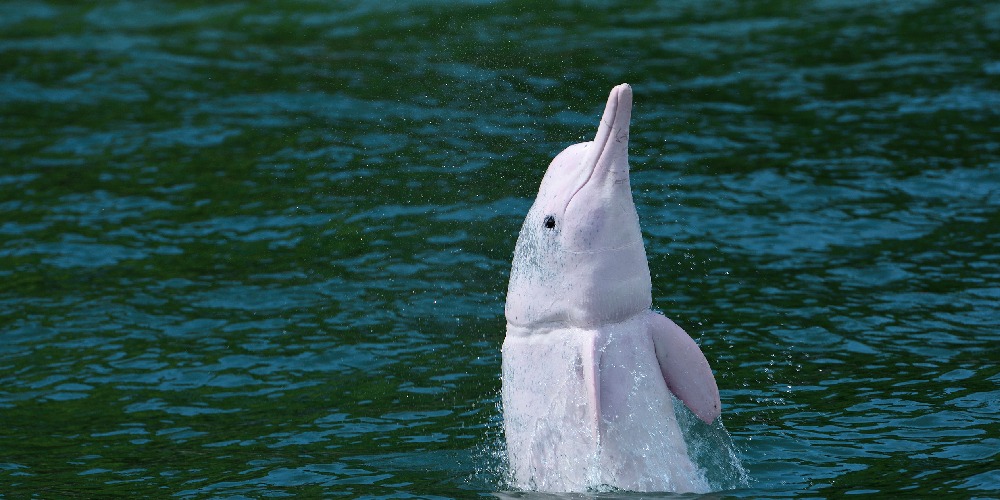
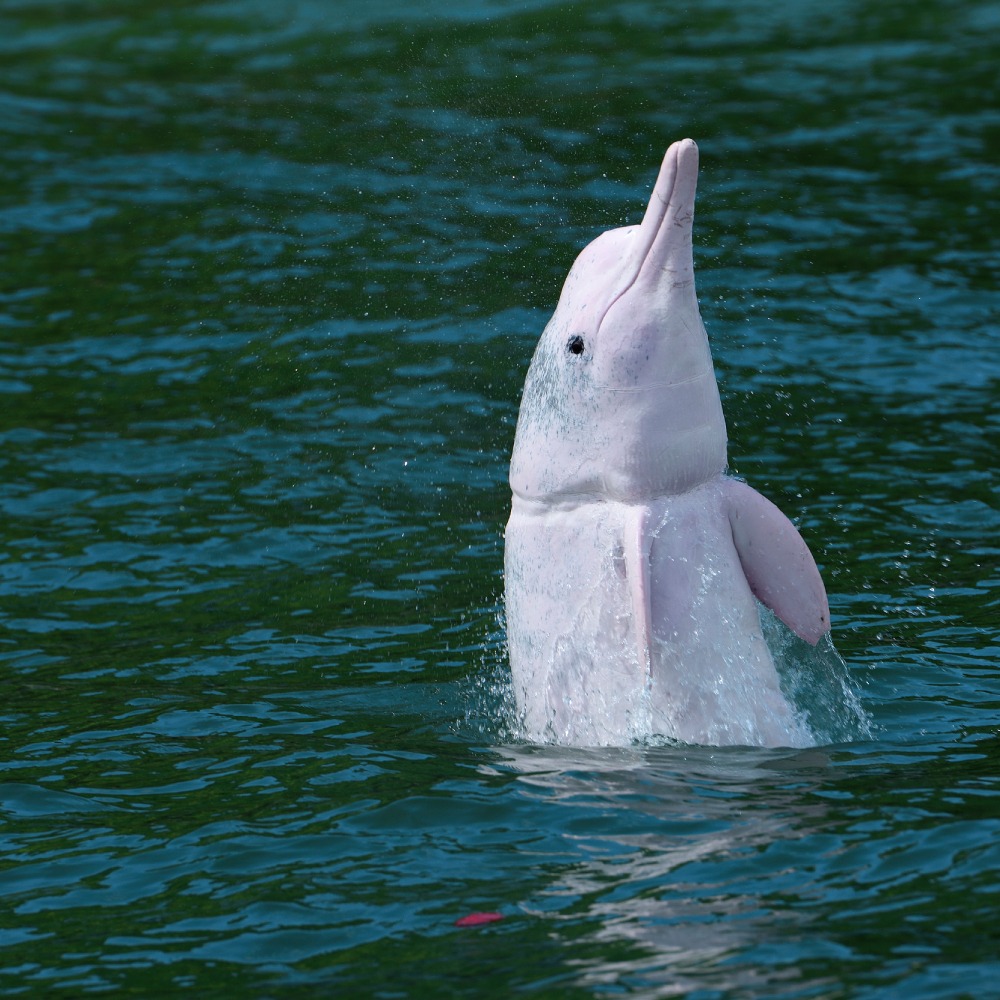
Many people might have tried taking a boat out from Hong Kong's Tai O to watch pink dolphins; it turns out these pink dolphins are no ordinary creature. are known as "Chinese wite dolphins", with only 6,000 of them left in the world.
To protect this "National Treasure of the Sea", China has successively established seven conservation areas, and the Hong Kong-Zhuhai-Macao Bridge even altered its design plans. Now, technologies such as AI, 5G and satellites have become its strongest support.
Why called the "Chinese white dolphin"?
The Chinese white dolphin has a deep connection with Hong Kong.
Hong Kong's waters are one of its main habitats; it has a habit of being attached to its family and was thus chosen as the mascot for the Hong Kong's return to the motherland.
It has also been selected as the mascot for the National Games, which will be co-hosted for the first time by the Guangdong-Hong Kong-Macao Greater Bay Area (GBA) in 2025.
The Chinese white dolphin is a highly intelligent aquatic mammal at the top of the food chain in the estuary ecosystem; its population status reflects the health of the ecosystem, and it is an indicator species for the estuary ecosystem.
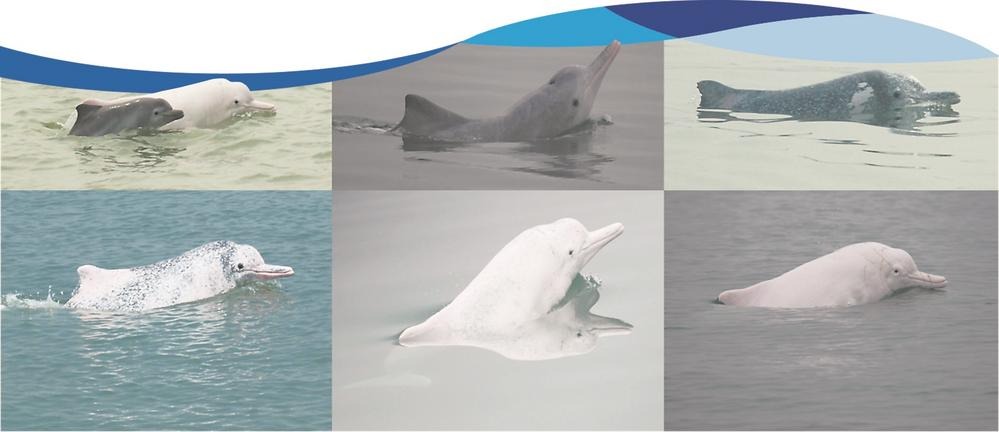
Some people may be curious as to why this dolphin is called a white dolphin when it is clearly pink. This is closely related to its age.
Young white dolphins have darker, grey skin; as they get older, their skin becomes progressively lighter, eventually turning white and pink. The pink colour is the result of blood flushing through the vessels under the skin to regulate the dolphin's body temperature.
It is estimated that there are currently about 6,000 Chinese white dolphins in the world, with 70% to 80% living in the estuarine waters south of China's Yangtze River Estuary. The Pearl River Estuary waters (including Hong Kong and Macao) are home to the largest number, with over 2,000 dolphins.
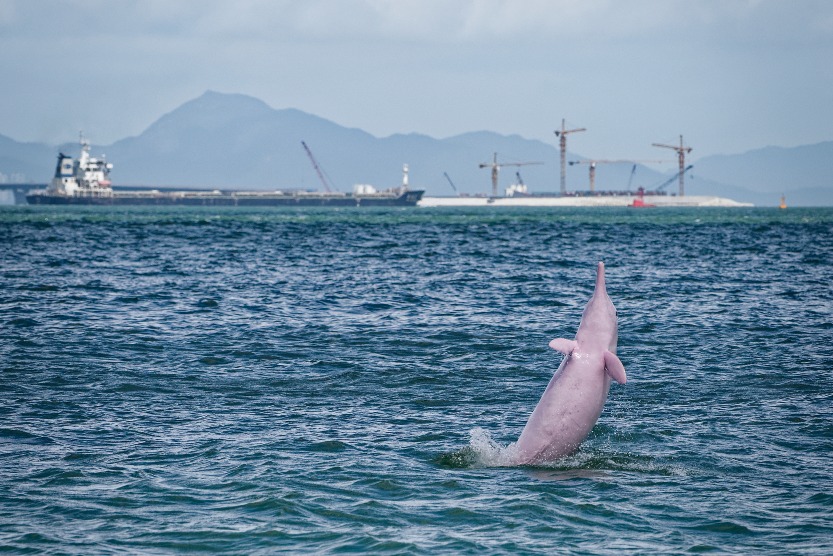
However, an increasing number of marine-related projects are continuously encroaching upon their habitat. For example, construction noise, underwater explosions, collisions with vessels, and entanglement in fishing nets... All of these pose a great threat to their survival.
Read more: China's Qinghai-Xizang Railway spends 1.8 billion RMB to protect the plateau's pure land
Read more: From 18 to 240: Conservation efforts for the South China Tiger show results
6 of 7 Chinese white dolphin nature reserves located in Guangdong
Starting from the 1990s, China has successively established seven Chinese white dolphin nature reserves, with a total area of over 1,000 square kilometres, six of which are in Guangdong.
The nature reserves not only protect the white dolphins themselves, but also their habitats.
For example, in some reserves, vessel speeds are limited to under 10 knots and the amount of explosives for marine blasting is restricted to 138 kilograms to reduce the impact of construction projects; meanwhile, measures like seawall modifications and mangrove wetland restoration expand the dolphins' space for activities.
It is worth mentioning that, during the construction of the Hong Kong-Zhuhai-Macao Bridge (HZMB), the main project construction area was located within the core area of the Pearl River Estuary Chinese White Dolphin National Nature Reserve.
To protect the white dolphins, the project underwent numerous adjustments in terms of bridges, tunnels, and artificial islands. The originally planned 318 bridge piers were also reduced to 224, and all large components were completed in factories, reducing the construction area and the amount of piling work.
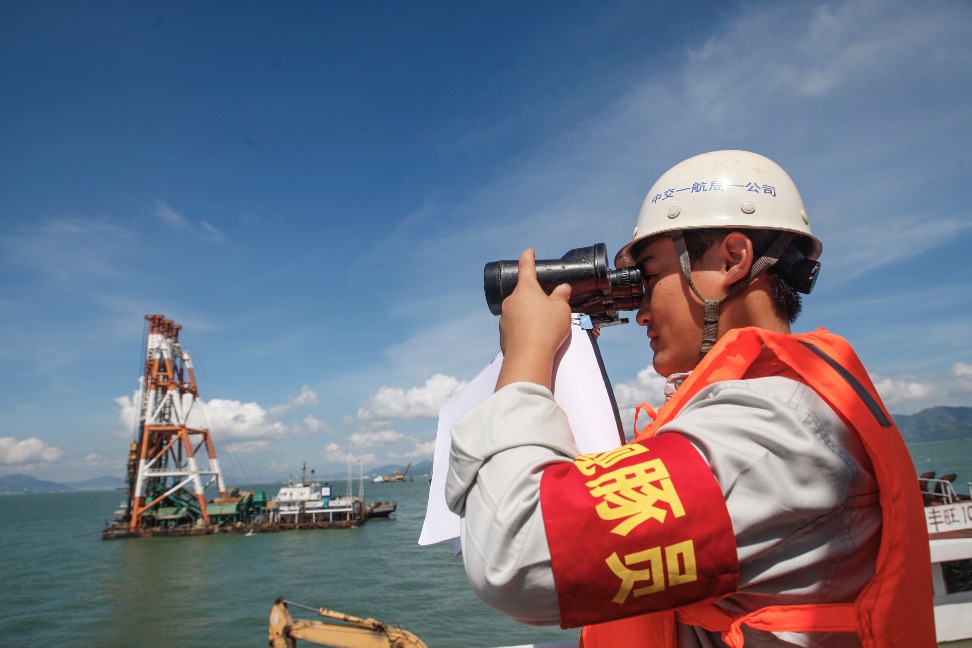
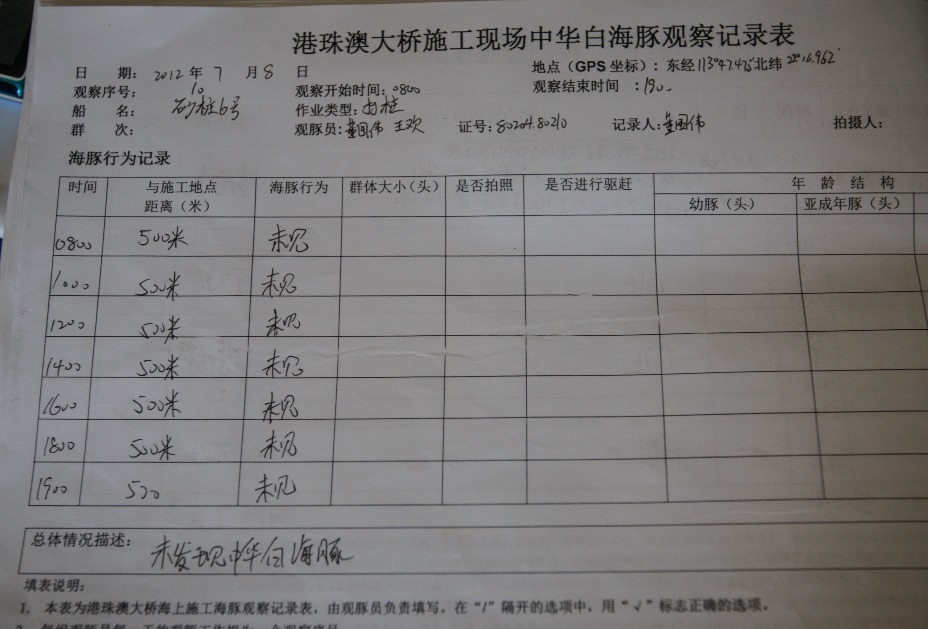
What is more interesting is that, at the time, every construction vessel had a dolphin observer on board who used binoculars to observe the waters near the construction vessels.
As soon as a Chinese white dolphin was spotted, they would immediately notify workers to stop construction and wait for the dolphin to leave, working hard to fulfil the promise that "The Hong Kong-Zhuhai-Macao Bridge would open to traffic, and the white dolphins would not have to move home".
Hong Kong also actively joined the ranks of protecting the Chinese white dolphins.
For example, since 2020, it has successively established the Southwest Lantau Marine Park, the South Lantau Marine Park, and the North Lantau Marine Park, to protect the habitats of important marine organisms, and to regulate engineering projects that could affect the white dolphins and their living environment.
The Hong Kong Government also adopted new land reclamation technologies, using methods such as "non-dredged reclamation" and "deep cement mixing" to replace traditional processes, reducing the environmental pollution caused by the removal of seabed sediment.
Read more: Conservation upgraded: China's endangered animals "downgraded"!
Read more: Special feature series: China's top 10 endangered animals
High-tech protection for Chinese white dolphins
To protect the Chinese white dolphins, manpower alone is far from enough, and we must rely on high-tech methods.
Xiamen in Fujian Province has established an AI "facial recognition system" for the white dolphins, using underwater high-definition cameras, surface long-focus cameras, and drones to collect data on the dolphins' appearance, posture, and behaviour, and upload it to an AI analysis platform to build a database.
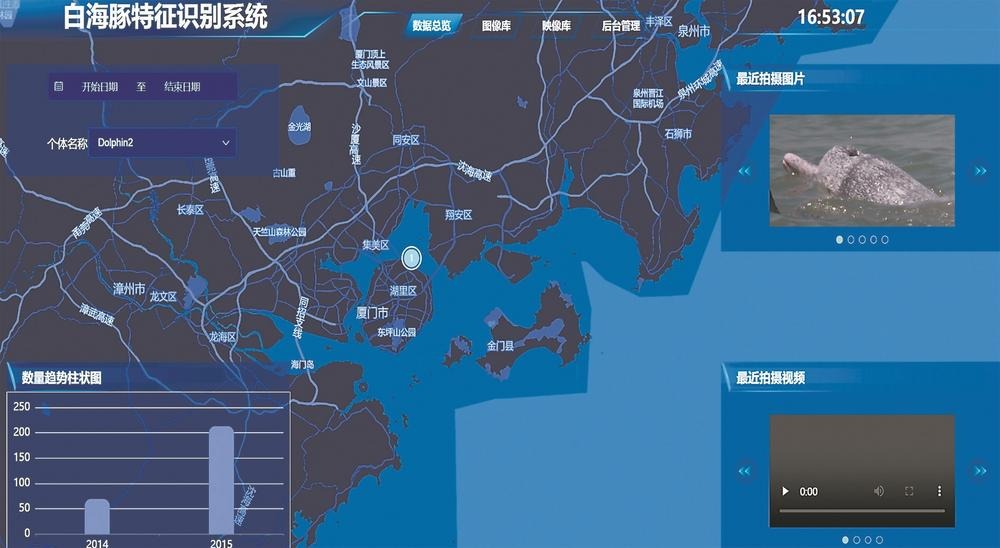
In the past, monitoring Chinese white dolphins could only be done by boat patrols, which was akin to finding a needle in a haystack.
With an AI database, as soon as a camera captures an image of a white dolphin and uploads it to the database for comparison, individual identification can be performed immediately, and it can monitor whether the white dolphin is injured or has any abnormalities, with an accuracy rate of over 95%.
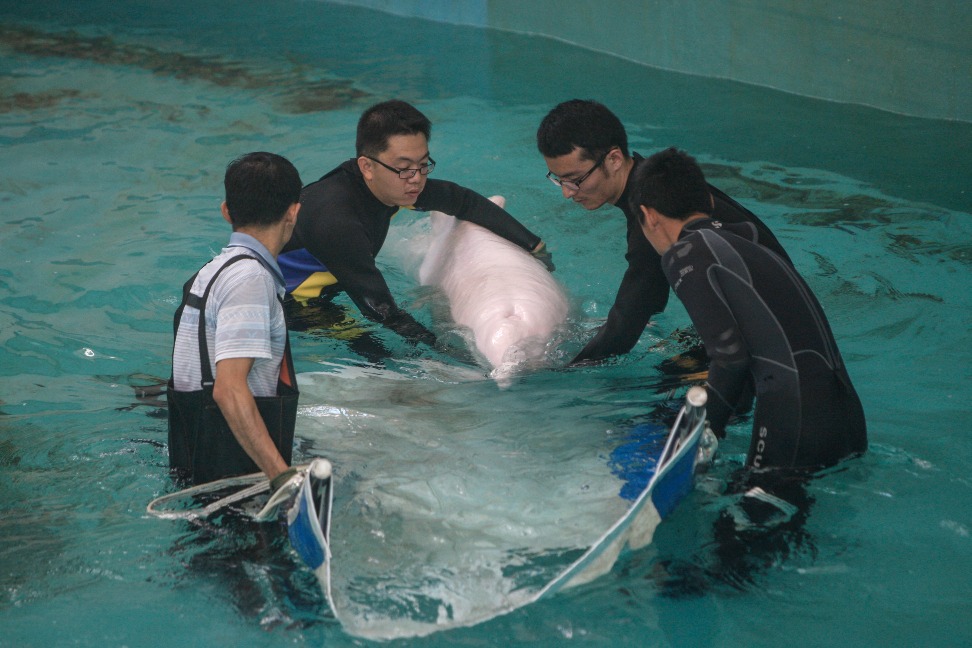
To prevent white dolphins from being accidentally injured by vessels, researchers have also built an "electronic fence" protection platform.
The platform uses radar, satellites, and vessel AIS signals to accurately delineate the protected area on electronic nautical charts. As soon as a vessel approaches the protected area, the system will immediately sound an alarm, guiding the vessel to change its course to avoid disturbing the white dolphins.
As an old fisherman said, "In the past, we often found that fishing boats had mistakenly entered the core area, and the sound of their motors would scare the white dolphins so that they wouldn't show themselves for a long time; now the electronic fence stops them. There is less noise, and the white dolphins are seen more often."
This system has achieved round-the-clock protection for the white dolphins, while the number of sea patrols by law enforcement personnel has been halved.
With the strengthening of environmental awareness and the advancement of technology, it is believed that the Chinese white dolphins will receive more protection and achieve sustainable development.